
Anúncios
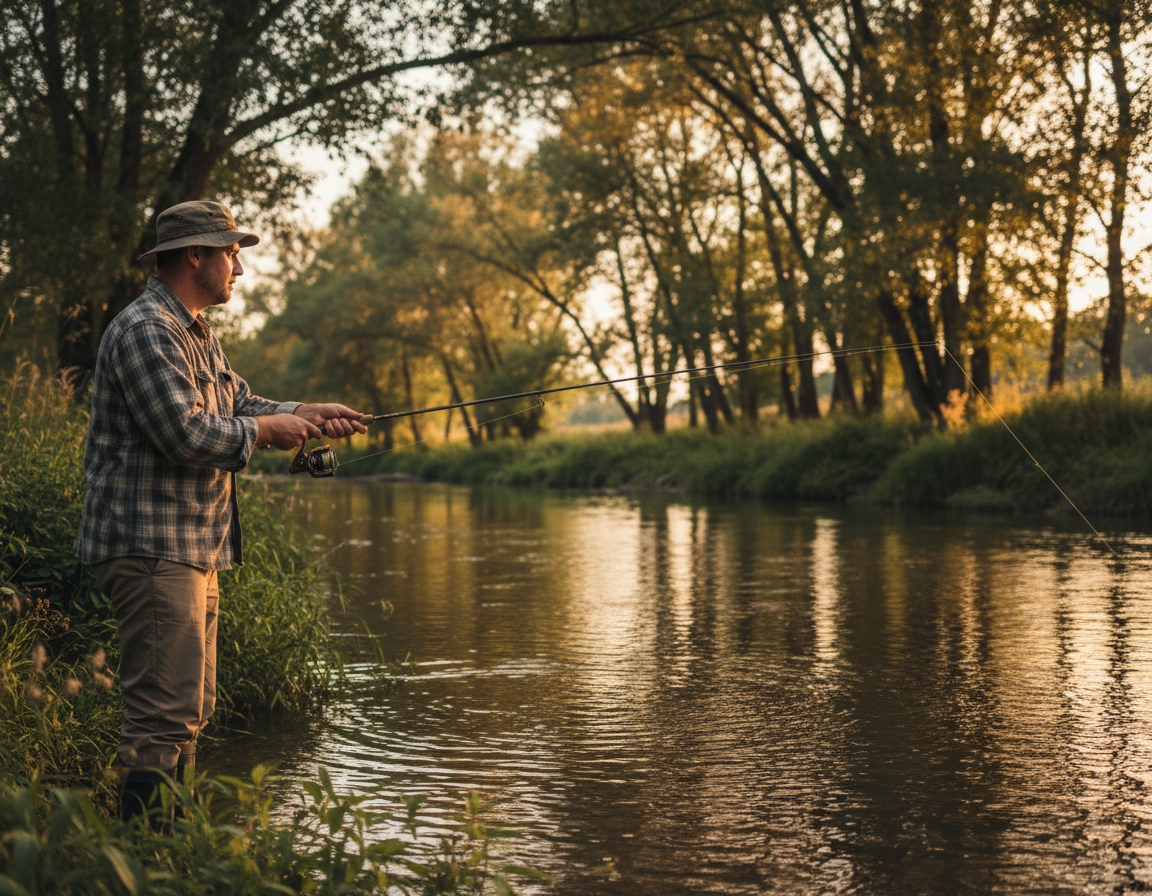
Mastering accurate casting is a core skill for any angler working shallow lakes and rivers. They learn to place a lure where fish hide, near docks or along weed edges, so the approach must be quiet and controlled.
The basic process of a good cast with a rod involves grip, timing, and a smooth release of the line. Small changes to the rod tip movement help the line travel cleanly to the target. This reduces splash on the water and keeps wary fish from spooking.
History shows organized practice matters: the International Casting Sport Federation standardized events in 1955, and enthusiasts celebrated major milestones like the American Casting Association’s 2008 centennial meet at the Golden Gate Angling & Casting Club. These milestones highlight how focused training sharpens accuracy.
In short: refining stance, rod control, and release improves every cast and raises the chance of a strike in clear, pressured waters.
Anúncios
Understanding the Fundamentals of Fishing Casting Techniques
Control and rhythm are the foundation of a reliable cast. An angler who links stance, rod position, and follow-through will place a lure more often where fish feed.
The Role of Rod Angle
Holding the rod at about a 45-degree angle balances distance and accuracy. This position helps manage the line and keeps the reel aligned under the blank for a clean release.
Wind the line so roughly 30–50 cm extends from the tip before the backcast. That small length prevents tangles and sets the right load on the rod for an efficient forward stroke.
Anúncios
Mastering Casting Motion
Start the movement from the elbow. The wrist and forearm follow the elbow for a smooth, fluid motion that keeps the rod tip predictable.
- Basics: a controlled backcast, then a steady forward cast is the reliable process.
- Grip: place fingers around the handle with the thumb near the reel foot for steady control.
- Timing: only practice will teach the right moment to release the lure for best distance and accuracy.
Remember: the speed of the line mirrors the speed of the rod tip, so small changes in tip motion change where the cast lands. Adjust stance and grip for different situations to keep full control.
Selecting the Right Rod and Reel for Your Needs
A matched rod and reel make every cast cleaner and give better line control at the water’s edge. Spinning rods are user-friendly and great for beginners. Baitcasting reels reward practice with superior accuracy for tight spots.
For larger fish, they should choose a 6–7 foot medium to heavy rod. That gives power for hook sets and enough sensitivity to feel subtle takes.
Material matters: graphite blanks offer light weight and sensitivity; fiberglass stands up to heavy duty work and abuse. Match lure weight to the rod’s rating to avoid breakage and poor casts.
- Length: longer rods add distance; shorter rods boost control.
- Action: fast action is best for quick hook sets; slow action suits smaller quarry.
- Reel pairing: spinning reels give smooth casts; baitcasting reels give better line control for precise placement.
Fly fishing needs its own rod and line system. Understanding types of rods helps anglers pick the right tool for each situation and target species.
Mastering Essential Casting Styles
Mastery of several cast styles helps anglers place their lure with greater control and accuracy. Each style suits specific water, cover, and target areas. Learning them reduces wasted time and increases strikes.
The Overhead Cast
The overhead cast is the most common way to get distance in open water. Bring the rod back to a 2 o’clock position, load the blank, and release the line at 10 o’clock for a clean forward cast.
Practice this motion slowly at first, then add speed to increase distance without losing control.
The Sidearm Cast
Use a sidearm when space is tight, such as under docks or low limbs. Keep the rod parallel to the ground and swing sideways to guide the lure past obstacles.
This cast reduces splash and keeps the lure low, making it easier to target fish near cover.
The Roll Cast
The roll cast is ideal where a full backcast is impossible. It creates a small loop of line on the water behind the angler and propels the lure forward with a smooth roll of the rod tip.
“Always check that the area behind you is clear before you begin the motion of any cast to ensure safety for other anglers.”
- Quick tips: when using a spinning rod, hold the line against the rod with your hand before opening the bail.
- Advanced note: pitching and flipping are other types used to present bait quietly near the target in heavy cover.
Advanced Presentations for Heavy Cover
Presenting a bait into tight cover demands a quiet, compact motion that keeps the lure close to the rod tip. Pitching and flipping let the angler place the bait with minimal splash. These moves help reach anglers’ targets near docks, brush piles, or thick weeds.
Pitching starts by letting out enough line so the lure hangs about a foot below the tip. Then they use a short underhand motion to send the lure into a small opening. This keeps the offering silent and precise.
When flipping, the angler holds the line with their non-dominant hand to keep the lure close to the rod tip. The rod does the work and the reel stays mostly idle. That tight line gives total control over the fall and placement.
- Quiet placement: both methods reduce splash on the water and lower spook risk.
- Snag avoidance: ideal where an overhead cast would hit cover.
- Strike zone focus: these moves put baits directly into likely fish hiding spots.
Mastering these approaches significantly improves accuracy in dense cover and helps anglers coax strikes where others fail.
Adapting Your Strategy to Different Environments
Shorelines, open lakes, and tight streams each demand small but crucial changes in how an angler approaches a cast. Choosing the right gear and method makes every placement count.
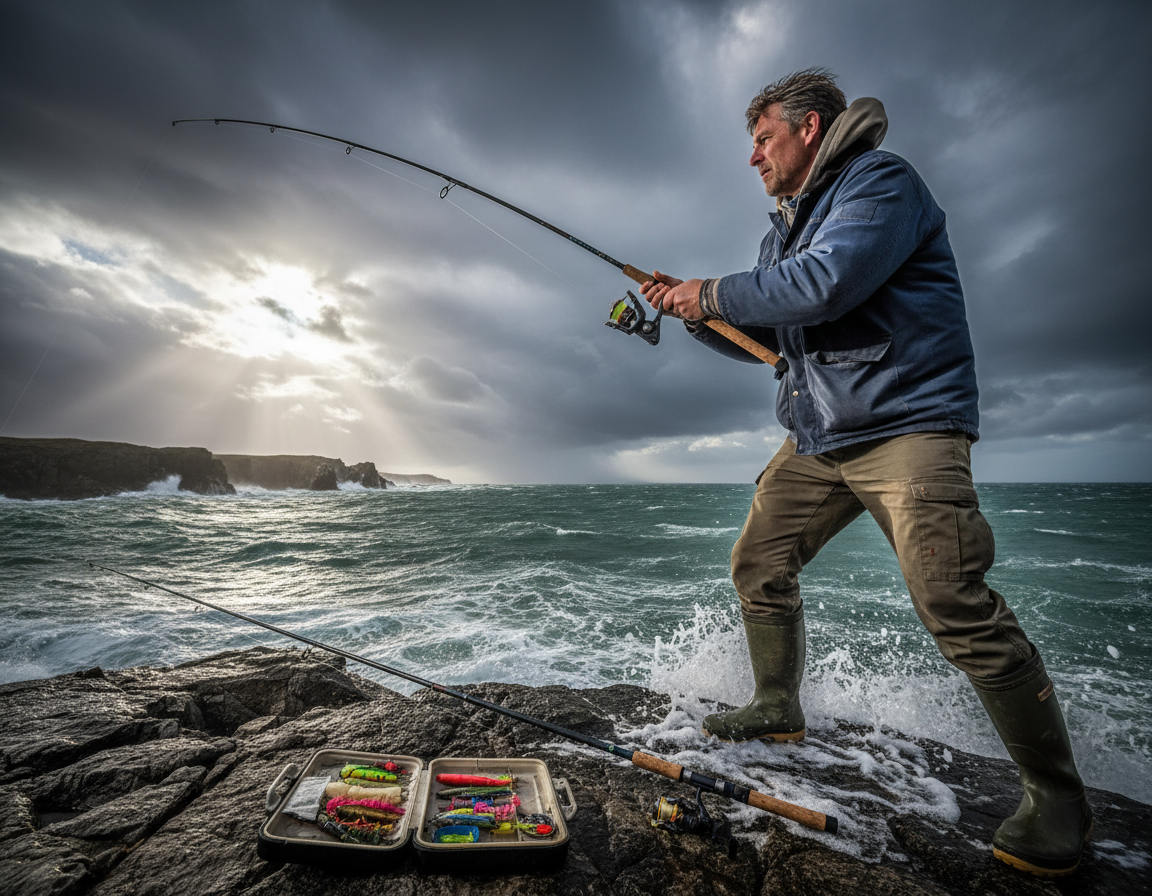
Surf and saltwater: surf rods often range from 4 to 5 meters to reach past breaking waves. In saltwater, pick a rod with strong action and a reel that resists corrosion and offers a solid drag for larger fish.
Adjusting for Wind Conditions
Wind changes how far and where a lure travels. When gusts pick up, switch to a sidearm or a roll cast to keep the line low and reduce backlash. Casting with the wind at your back helps increase distances.
Fly anglers should note that fly setups use a different motion. They build momentum by swinging the line, so a delicate, rhythmic cast gives the best accuracy for lightweight flies.
- Use longer rods for surf to reach fish past breaking waves.
- Pick durable gear for saltwater to fight corrosion and stronger runs.
- Adjust your cast in wind: sidearm or roll for control; cast downwind for distance.
“Adapting rod action and line type when moving between fresh and salt water pays off every time.”
Tips for Refining Your Accuracy and Distance
Working on short, repeatable drills helps an angler build muscle memory for reliable casts. Set a visible target in a yard or at a local pond and aim for it from several angles. Consistency beats power when honing precision.
Keep a relaxed grip on the rod to avoid fatigue. Relaxed hands promote a smooth motion and reduce jerky movements that cause tangles or poor control.
Try these practical tips:
- Set targets at different distances to improve aim and distance control.
- Use a slightly heavier lure in wind, or a lighter line when you need longer distances.
- When using baitcasting reels, fine-tune spool tension and brakes to cut backlash and boost cast length.
- Maintain a firm stance—feet shoulder-width apart—for balance and power transfer from the legs through the hand.
“A smooth follow-through with the rod tip ensures the line lays out straight to the target.”
Practice regularly at open water or a backyard pond. Small, calm changes to timing, rod tip motion, and follow-through add up to better accuracy and more consistent hook sets. For more advanced pointers, see these pro angler tips.
Conclusion
,Every angler improves most when they focus on small, repeatable changes to their form. Short, focused drills turn the basics into reliable skills over time.
Learning different cast styles, from the roll cast to the overhead, broadens success in varied situations. Whether they try fly fishing, surf fishing, or spin setups, control of gear matters most.
Practice with purpose: smooth motion, proper rod handling, and the right equipment make a big difference. With steady time on the water, an angler gains confidence and adapts to new conditions.
Use these tips, stay patient, and enjoy more productive days chasing fish.


 English
  Spanish