
Anuncios
Get ready to enjoy more time on the water and fewer last-minute choices. This introduction outlines a simple, practical approach to weekend fishing trip planning that puts rest and rhythm first.
Start by choosing the fishing style early — that decision shapes gear, location, and technique. A short checklist and a little research cut stress and keep the day calm.
Across the article you will find a clear roadmap: goals, fishing style, access and target species, weather and water checks, rules, guide options, gear, food and lodging, plus safety. Use state fish-and-wildlife maps and USGS gauges for local details.
Pacing matters. Pick a sensible trip length, limit long drives, and set realistic expectations for catching versus unplugging. The best plan matches your skill, time, and local conditions, not a staged social post.
Set Your Goals for a Relaxing Weekend on the Water
Start by defining what you want from the days on the water—rest, skill-building, or social time. A clear aim trims choices and keeps the day calm.
Anuncios
Choose the vibe
Pick solo decompression, a family-friendly outing, or a friends’ getaway. That choice affects timing, distance, and gear.
For family days, prioritize easy access, bathrooms, shade, and short fishing blocks to keep everyone comfortable.
Decide what “success” means
Success can be learning a new cast, landing a target species, or simply unplugging. Define one primary goal so decisions are easier on the water.
Anuncios
- Match goals to available time: a short morning session needs less gear than multi-day plans.
- With mixed-skill groups, set shared expectations and consider hiring a guide for instruction.
- Build in fun buffers—shore lunches, scenic breaks, or naps—so the plan stays restful, not packed.
Consejo: Your goal guides where you go, what you pack, and how early you leave. Good planning fishing starts with a single, clear objective.
Choose the Right Style of Fishing for Your Time and Skill Level
The best choice pairs your time and skill with a style that keeps stress low and enjoyment high. Match the style to how many hours you have, your energy, and whether you want to learn new techniques.
Freshwater options: lake and river access
Freshwater is the default for a relaxed day. Local lakes and riverbanks are close to town and need simple gear and tackle. You can arrive late and still fish for a few productive hours.
Saltwater: pier, inshore, or offshore choices
Pier and inshore outings fit shorter schedules and use lighter bait and rods. Offshore trips require a boat, more planning, and seasickness prep. Expect a longer day and more specialized gear.
Fly fishing for trout and technique-driven anglers
Fly work suits people who enjoy learning casts and reading water. It often targets trout on streams, tailwaters, or spring creeks. Bring the right flies and a rod matched to the river and species.
- Pick the style that minimizes driving and matches your current skill.
- Match bait, lure, and tackle to the water and species to avoid wasted gear.
- Set realistic learning goals so the day feels like progress, not frustration.
Weekend Fishing Trip Planning: Pick the Best Destination and Access
Begin your destination search by setting how far you’re willing to drive and what type of water suits your energy level. Start with a simple drive-time budget and then target water types—lake, river, tailwater, or freestone stream—that match the day’s pace.
Choose water type and why it matters
Lake days often mean easy ramps, parking, and predictable access. They work well for shorter outings and light gear.
River days need mapped access points, possible shuttles, and attention to private land. Rivers can reward effort but require more access planning.
Tailwater vs freestone, in plain terms
Tailwaters flow below dams and stay steady, so they offer consistent conditions and fewer surprises. Freestone streams depend on rain and snowmelt, so they can change fast after storms.
Research workflow and practical checklist
Use state fish-and-wildlife agency maps to spot public access, read rules by location, and confirm species. Then verify ramps, parking, restrooms, campgrounds, cell coverage, and road conditions for trailers.
- Scout digitally with apps like OnX and TroutRoutes to find legal entry points and easements.
- Build a Plan A/Plan B set of nearby spots so a crowded ramp or muddy road won’t end the day.
- Before you go, confirm regulations and boat-ramp status for the chosen access point.
For a nearby list of top places and ideas, consult a regional guide like top fishing destinations to inspire location choices in similar terrain.
Know Which Fish Species to Target (and What That Means for Your Plan)
Knowing the species you expect to find saves time and removes guesswork from the day.
Common targets include bass, trout, walleye, striped bass, and redfish. Each species changes where you go, what you throw, and how long you stay on the water.
- Bass: Warmwater lakes with cover; use crankbaits, soft plastics, and medium tackle for short, active sessions.
- Trout: Cooler streams and tailwaters; lighter lines, flies or small lures, and precise presentation matter.
- Walleye: Deeper structure and low-light periods; jigging or live bait often works best.
- Striped bass & redfish: Inshore wrecks, flats, and estuaries; heavier rods and larger lures or live shrimp fit the area.
Match bait and tackle to the target: live bait is forgiving for beginners, while artificials let you cover water faster. Check state stocking info and recent reports before you pack to avoid wasted gear.
Timing and the bite
Build your day around prime morning and evening bites and leave midday for a relaxed break. Night fishing can be productive for some species, but consider safety, lighting, and local rules.
| Species | Typical Habitat | Recommended Tackle/Bait |
|---|---|---|
| Bass | Warm lakes, cover, docks | Medium rod, plastic worms, crankbaits |
| Trout | Streams, tailwaters, cold springs | Light rod, flies, small spinners |
| Walleye | Deep structure, low-light zones | Jigs, live minnows, medium-light tackle |
| Redfish / Striped Bass | Flats, inshore estuaries, rock edges | Heavier rod, topwater lures, live shrimp |
Consejo práctico: Focus on the fish that are actually present. For a quick primer on matching multiple species to a day out, see a guide on a multi-species fishing trip.
Time It Right With Weather, Water Conditions, and Seasonal Patterns
Timing your day around forecast trends and river flows keeps comfort high and risk low.
Start early in the week: check the midweek forecast and again the night before. Build a simple pack list from that: base layer, insulating mid-layer, rain shell, and wind protection for open water.
Use USGS gaging stations to read streamflows and temperature. Rising flows often mean poor visibility and risky wading. Falling flows can concentrate fish but expose hazards. Interpret trends, not single numbers.
- Midweek check: note storm chances and sustained wind forecasts.
- Night-before check: finalize layers, rain gear, and a Plan B launch site.
- On rivers: avoid wading when flows are rising rapidly.
Tailwater tip: find the dam release schedule online and pick a safe wading window when generation is steady. Have an alternate spot if the schedule changes.
For trout weekends, consult hatch charts at local fly shops or Trout Unlimited chapters to match flies to active insects. Offshore or open-water outings need extra wind and tide checks—shore forecasts can be misleading.
Final tip: keep a calm “call-it” mindset. If weather or flows turn unsafe, adjust early to preserve a relaxing day.
Handle Licenses, Local Rules, and Ethical Harvest Before You Go
Confirming permits and rules before departure makes the day smoother and reduces stress at the launch.
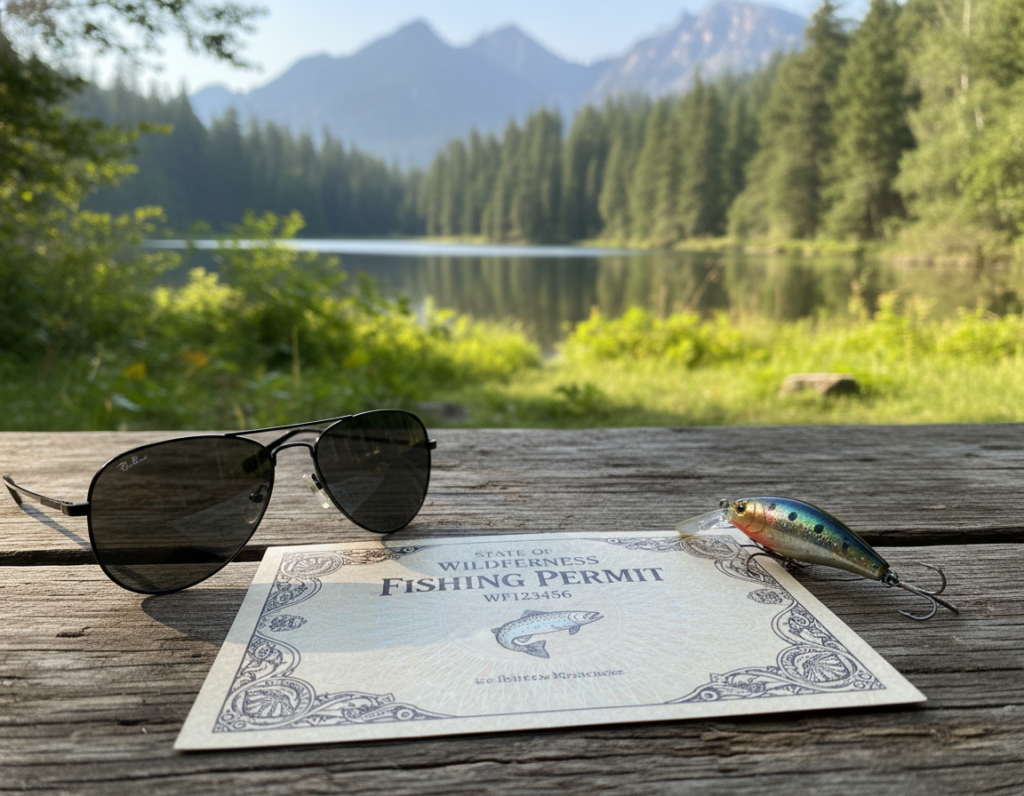
Buy the right fishing license for the state and water you’ll use. In the U.S., purchase online via the state fish-and-wildlife site or at retailers. Choose resident or nonresident options, and add saltwater permits when required.
How to keep proof and what to buy
Save your license digitally on your phone, and carry a printed copy as backup. Confirm whether the water body needs a separate permit or endorsement before finalizing your trip.
Confirm rules by water and species
Check seasonal closures, size and slot limits, and bait or gear restrictions for the exact water you’ll visit. Regulations can vary by river reach, lake, or estuary.
“Verify rules for the specific water you plan to fish; it avoids fines and last-minute plan changes.”
- Use state agency regulation booklets and alerts for current limits and temporary closures.
- Call a local tackle shop or check an agency notice if conditions change or emergency regs appear.
- Look for protected areas and no-take zones to avoid accidental violations.
Ethical harvest and fish handling
Keep only what you will eat and follow size limits. When releasing fish, use wet hands, minimize air time, and revive fish in moving water when possible.
On warm or low-oxygen days, prefer catch-and-release and reduce fight time to improve survival. Treat compliance as part of good planning—no fines, no stressed encounters, and a calmer outing for everyone.
| Acción | Por qué es importante | Quick step |
|---|---|---|
| Buy correct license | Legal requirement; varies by residency and water | Use state agency site; add saltwater tag if needed |
| Confirm local rules | Avoid fines and protect populations | Check regulation booklet or agency alerts |
| Practice ethical harvest | Supports healthy fish stocks and future trips | Follow size limits, revive releases, limit handling |
Decide Between a Charter, Guide, Rental Boat, or DIY Shore Plan
Decide how you want to spend your day before you leave. The access choice affects gear, effort, and how much you learn.
When a guide or charter is worth it
Guides shorten the learning curve. They bring rods, reels, bait, and local knowledge so you pack less and catch more in limited time.
Choose a guide if you are on unfamiliar water, have mixed-skill company, or want quick instruction.
Half-day vs full-day
Half-day trips keep energy high and give room for meals and rest. Full-day outings suit anglers who want more coverage but can be tiring.
Safety and vetting checklist
“Confirm credentials, cancellation policy, and exactly what gear is included before you book.”
- Check Coast Guard certification and strong online reviews.
- Ask what’s included: rods, tackle, bait, life jackets, and fish-handling rules.
- Confirm meeting point, start time, license needs, and alcohol policy.
| Option | Lo mejor para | Key checks |
|---|---|---|
| Charter / Guide | Limited time; learning fast | Credentials, gear list, weather/cancel policy |
| Rental boat | Self-reliant groups | Ramp logistics, fuel rules, safety gear |
| DIY shore/wade | Low-effort, low-cost days | Primary and backup access, simple tackle plan |
Build a Simple Gear and Tackle Plan That Matches Your Location
Keep your kit focused on versatility so prep is fast and time on the water is calm. Start with one dependable rod/reel combo and add one specialty setup only if the target species or access truly demands it.
Rods and reels to cover most days
Choose medium to medium-light setups. A 6’6″–7′ rod with a matched reel handles bass, trout, and panfish without swapping gear often.
Bait and tackle choices
For beginners, live bait like worms or shrimp works reliably. Artificial lures help you cover water and learn patterns efficiently.
Boat essentials and catch care
Bring a cooler, ice, pliers, landing net, and a simple fish storage plan to keep your catch fresh and decks clear.
Comfort and organization
Polarized sunglasses, a rain shell, and sunscreen reduce stress and improve safety. Use labeled tackle trays, a single tools pouch, and a dry bag so essentials are always in the same place.
Pack smart
“Pick one primary technique and one small backup; avoid hauling every lure you own.”
This is the best way to avoid overpacking and keep the day relaxed.
Plan Food, Lodging, and the “Off-the-Water” Logistics
Good off-water logistics turn a good day into a calm, memorable one. Decide early whether you want a single day out or an overnight stay—each choice changes how much real time you get on the water and how you pack food and gear.
Day vs overnight: simple campground checklist
Day option: pack a cooler with easy food, hydrate, and stage gear the night before so morning loading is fast.
Overnight option: confirm campground access, bathrooms and showers, quiet hours, and secure food storage to avoid wildlife problems.
Cooler meal plan and hydration
Keep meals simple to reduce cleanup and keep time on the water high. Aim for high-protein snacks, easy sandwiches, and water or electrolyte drinks. Target one bottle per person per three hours on warm days.
Transportation and launch timing
Arrive early to beat crowds and stage the boat or shore gear near the rig. For trailers, follow ramp etiquette: block, secure, and pull wide for others. A short pre-launch checklist prevents morning scrambling.
Downtime and off-water fun
Plan low-effort activities—cards, cornhole, or a short hike—so slow periods become part of the fun. Nearby places to explore add variety without extra stress.
“Smooth meals, reliable lodging, and a clear transport plan make the whole outing feel like a break, not a chore.”
- Decide day or overnight based on driving, energy, and desired time on the water.
- Campground checklist: reservations, proximity to water, facilities, and secure food storage.
- Cooler plan: snacks, simple shore lunches, and hydration targets to stay comfortable.
- Transport tips: arrive early, stage gear, and follow ramp etiquette for trailers and boats.
- Schedule downtime: pack low-effort games and note nearby places for short breaks.
Prioritize Safety and Keep the Trip Stress-Free
Safety is the backbone of any calm day on the water. Make clear rules before launch so friends and family know expectations and everyone feels secure.
Life jackets and basic on-water rules
Use Coast Guard-approved life jackets for everyone, especially kids and beginners. Require vests while the engine runs or when anyone is standing in a small boat.
Review casting lanes, hook safety, and where to sit in the boat. Simple rules cut accidents and keep the mood light.
Pack a practical first aid kit
Bring a compact first aid kit for hooks, cuts, and minor injuries. Include hook removal tools, antiseptic wipes, bandages, tweezers, and disposable gloves.
Store it where everyone can reach it and review basic steps for treating common wounds before you leave shore.
Set a weather backup plan and know when to call it
Pick alternate sheltered water, a shorter session, or a different day/time window. Decide early what conditions force an end to the day.
“If conditions feel unsafe, call it early; a short, safe day beats a long, risky one.”
Get real-time intel and practice good etiquette
Quick stops at a fly shop or a short chat at the boat ramp often deliver the best current conditions and suggested fishing spots.
- Check apps and forums like Fishbrain or The Hull Truth for recent reports.
- Be polite to locals; don’t demand secret spots and consider buying bait or flies as thanks.
- Use local fishing knowledge to refine your plan and make the trip smoother for friends and family.
Conclusión
Finish by locking in a few key choices so the day runs smoothly and stays relaxing. Set clear goals, pick a fishing style, choose legal access locations, match target species to season and timing, then finalize gear, food, and safety.
Keep the plan small. The best fishing trip often uses morning and evening time blocks, one main location, and a simple backup spot to avoid stress.
Set realistic expectations: the point is outdoor time and good company, not always hitting limits. Bring friends, enjoy the fun, and treat learning as progress on the way.
Before you leave, verify last-minute weather, access updates, and regulation changes so you can make trip decisions with confidence. Use this framework for future trips to make each one easier and more enjoyable.

 Spanish
  English