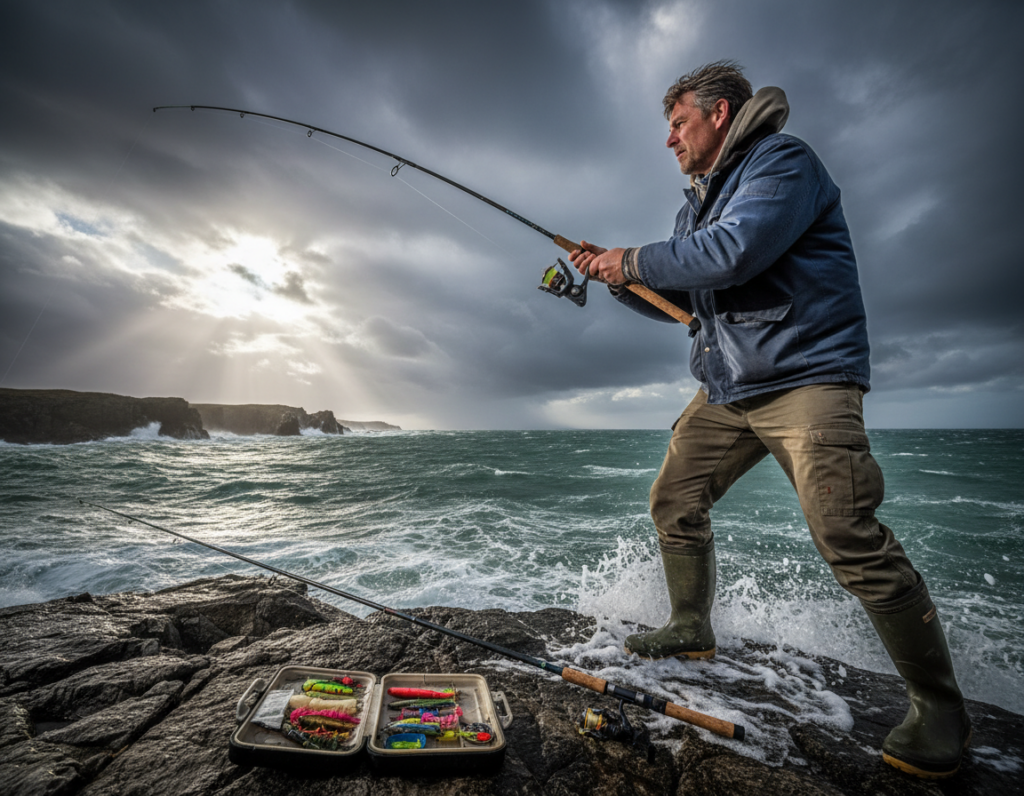
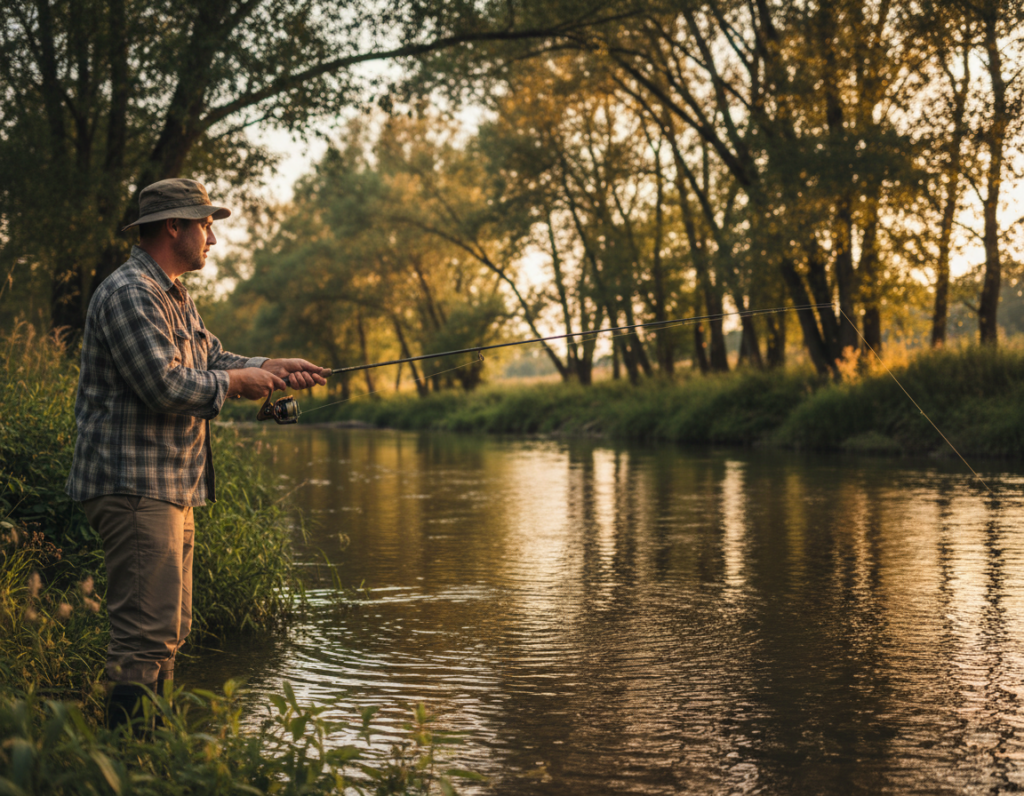
Learn the simple skills that make a big difference on the water. This quick guide shows how to choose, rig, and cast jigs for common freshwater and inshore saltwater scenarios in the United States.
Expect practical, repeatable steps that focus on controllable items: setup, weight, head style, retrieve speed, and where to throw. You will also learn to read bites, especially the subtle strikes that happen on the fall.
We cover two main families: soft-bait jigs with skirt or plastic and metal jigs used for vertical or cast-and-retrieve work. The article uses real on-the-water tips — rod length, reel speed, line choice, and common weights like 3/8 oz — to remove guesswork.
Why this matters: a single lure type helps you search water fast and work targets slow. Examples stay useful for bass, walleye, trout, and many inshore predators so multi-species anglers can apply these techniques confidently.
Why Jigs Work in Freshwater and Saltwater
Small changes to a lure’s shape and weight create very different actions that trigger strikes.
What makes one lure perform
Head, hook, skirt or soft plastic, and a trailer form the package. Each part alters profile, fall rate, and vibration. Change the head shape and the lure tracks differently near cover.
How motion prompts bites
Flutter mimics a dying baitfish. A short hop looks like a fleeing crawfish. Dragging imitates bottom forage. A steady swim copies shad or mullet.
Many fish hit on the fall, so watch your line and keep contact.
Search bait and target bait
Use a swim or yo-yo retrieve to cover water and find schools. Pitch and pitch-and-hold retrieves are the slow, precise way to work tight cover.
| Action | Forage Match | Best Use |
|---|---|---|
| Flutter | Injured baitfish | Open water, rips |
| Hop | Crawfish, cray | Rock, wood, shallow cover |
| Drag/Bottom | Benthic forage | Deep edges, walleye spots |
| Swim | Shad, mullet | Grasslines, flats |
Species note: bass favor structure, walleye like bottom contact, and inshore predators chase flash and flutter. Season and time of year change whether fish want fast aggression or a slower fall.
Build the Right Setup for Jig Fishing
Choose gear that gives you control in cover and sensitivity on subtle takes. Start with a 7’3″ medium-heavy rod as a practical baseline. For heavy brush or thick laydowns, step up to a heavy blank for stronger hooksets.
Rod power and action
A faster action rod lets you pop the lure free and sets hooks on short pitches. Backbone helps when a bass bolts into wood and you need to drive the hook home.
Reel speed and pickup
Use a faster reel (for example 7.3:1) to retrieve line quickly after a hop or when a fish swims toward the boat. Quick pickup boosts hookup rates in close-quarters work.
Line choice and sensitivity
Fluorocarbon around 20 lb cuts visibility in clear or cold conditions. Braid gives feel and raw pulling power when you fish heavy cover. Match the line to water clarity and the target bass.
Match weight to conditions
Start near 3/8 oz for general depth and adjust by current, depth, and desired fall rate. Heavier heads reach depth fast but hang time drops. Sensitivity from the rod plus the line helps you detect the faintest tick on the fall.
Choosing Jig Heads and Styles for Conditions
Match the head and profile to the structure you will work. Pick lures by what they solve: rocks, grass, heavy wood, or clear flats. That focus makes your tackle choices repeatable and practical on the water.
Football heads stay upright and ride the bottom well. Use a football when you drag or crawl over rock and rubble. It resists tipping and keeps the tail in play when bass and walleye feed on craws.
Swim jig designs are streamlined to track through vegetation and along grass lines. Swim jigs cut through mats, run true on casts, and shine on open-water retrieves where a baitfish profile is needed.
Finesse versions are the “less is more” choice for clear water and pressured bass. Smaller profiles, subtle skirts, and slower moves reduce spook and invite timid strikes.
Flipping and pitching heads are for heavy cover. They pair with weed guards and stout hooks so you can pull fish from wood, docks, and thick weeds without constant hangups.
Tube and bucktail profiles add natural action: tubes scuttle or dart like crayfish, while bucktail breathes at slow speeds. Both are excellent when you need a specific baitfish or crustacean silhouette.
- Match head shape to the bottom or cover you hit most.
- Adjust trailer tail style to change lift and vibration.
- Pick a hook and skirt that balance hookup rate with weed resistance.
Core jig fishing technique: Retrieves That Get More Bites
Mastering a few core retrieves lifts your hookup rate in most waters. These moves tell a bait to behave like crawfish, injured forage, or a fleeing shad. Change one variable at a time and you learn what the fish want that day.
Hopping and short jigging keep the bait working along bottom. Cast, let the lure hit, then lift the rod tip and let it fall on semi-slack line. Keep hops short to mimic crayfish and avoid pulling the bait too high off the bottom.
Dragging to stir silt
Drag the lure slowly across mud or sand to raise a subtle plume. This keeps the bait in the strike zone longer and draws curious fish. Avoid full-on dragging in snaggy rock fields where hooks hang up.
Yo-yo for reaction strikes
Let the bait fall, snap the rod tip up hard, reel a few turns, then free-fall again. Aggressive rod tip lifts trigger reaction bites from pelagic and structure-oriented fish.
Swimming and stop-and-go
Use a steady swim retrieve in open water, then add short pauses to make the skirt flare. A stop-and-go swim often converts follows into bites.
| Retrieve | Best Match | When to Use |
|---|---|---|
| Hopping | Crawfish imitation | Shallow rock, laydowns |
| Dragging | Benthic forage | Mud, sand, slow current |
| Yo-yo | Dying baitfish | Dropoffs, deep structure |
| Swim | Shad/mullet profile | Flats, grasslines |
Watch for cues: a sudden line jump, a weighty feel, or the line stopping its sink on the fall. When you sense something different, reel down to remove slack and set hard—especially with heavier hooks.
Metal Jigging Methods From a Boat
Metal jigs are dense, reflective lures that sink fast and cut through water. They work well from a boat because they reach structure and strike zones quickly, and their flash draws surprised predators.
Casting to structure and rips
Position up-current or up-wind and cast toward pilings, jetties, troughs, or dropoffs. Retrieve steadily and mix in short twitches and pauses. That steady swim with micro-pauses imitates fleeing bait and keeps the lure in the zone longer.
Speed jigging vertically
Hover over your mark, drop the jigs to the bottom or strike zone, then snap the rod tip up and reel fast. Fish often strike on the fall, so be ready for sudden slack or a sharp tick at the rod tip. Keep line vertical by adjusting boat position to improve feel and hook sets.
Slow pitch for a dying bait action
Use controlled lifts and let the lure flutter back down. Slow pitch produces tumbling, rolling, and darting motion that tempts pressured or suspended fish. Use speed when fish are aggressive; use slow pitch when they want an easy meal.
| Method | Best Target | When to Use |
|---|---|---|
| Casting | Rips, pilings, dropoffs | Wind or current-present areas, covering water |
| Speed Jigging | Rock piles, deep structure | Active, chasing fish; daytime or forage breaks |
| Slow Pitch | Suspended or pressured fish | Low activity, clear water, precise presentations |
Where to Throw a Jig: Cover, Structure, and Water Clarity
Where you cast should flow from the structure present and the water clarity that day. Match the lure style to the cover and keep your approach stealthy when fish are spooky.
Targeting grass, laydowns, docks, and submerged timber
Swim jigs run well through grass and open mats. Flipping heads pull through wood and docks without folding in when you need a solid hookset.
Approach at angles that let the bait come over the top of cover. Use short pitches and controlled falls to reduce snags.

Working rocky areas, troughs, and deeper edges
On rock and deeper bottom lines keep contact and move slowly. A football head helps hold bottom contact and lets the bait tick rocks so fish key on the change.
Check troughs, dropoffs, and current seams — fish use these as travel lanes.
Adjusting for clear water vs stained water
In clear water scale down profile and use low-visibility line like fluorocarbon to avoid spooking bass. In stained water boost profile and vibration with darker colors and fuller trailers.
| Cover Type | Suggested Head/Profile | Best Approach |
|---|---|---|
| Grass lines | Swim-style head | Long casts, steady retrieve |
| Laydowns & docks | Flipping/pitch head | Pitch-and-hold, short hops |
| Rock & dropoffs | Football head | Slow drags, let it tick bottom |
Trailers, Baits, and Colors That Improve Jig Action
Choosing the right trailer shapes and colors tunes your presentation to what bass expect in that water.
Trailers act as performance multipliers. They change bulk, buoyancy, vibration, and how naturally the bait moves at different retrieve speeds. Swap a trailer and you alter fall rate and profile instantly.
Match trailer type to intent:
- Craws and creature baits add bulk and grab for flipping or football setups.
- Grubs give a subtle thump for finesse work and pressured bass.
- Paddle tails suit a swim jig—steady retrieves let the tail drive vibration and realism.
Use colors by conditions: green pumpkin and brown are natural choices in clear water. PB&J works as a versatile midwater option. Black and blue shine in stained water or low-light periods.
Size and tail action matter. Upsize a trailer to increase presence and slow the fall. Downsize to get more bites from pressured fish. High-action claws and paddle tails boost vibration in dirty water; subtle tails help when fish are finicky.
Pro tip: add a small orange accent to suggest crawfish. Always keep trailers straight on the hook to avoid rolling, reduce missed hookups, and keep the presentation natural.
Conclusion
A simple decision chain makes your trips repeatable: choose the right head and profile, match weight to depth and fall rate, pick a trailer for action, and then select a retrieve that fits the conditions.
Quick presentation guide: hop it along bottom for crawfish, drag to stay in the strike zone, yo-yo for reaction strikes, and swim a swim jig around grass and edges.
Gear fundamentals: use a capable rod with backbone for solid hooksets, pick line that matches clarity and cover, and run a reel that picks up slack fast for timely hooksets.
Practice tip: commit to jigs for a set time each trip—repetition builds feel and helps you read bites on the fall.
Troubleshoot: miss bites? Slow down and watch the line. Snagging often? Change head style or cast angle. Follows but no commits? Try a different trailer size or color.
For a clear primer on setups and basic moves, see this beginner’s guide to jigging. Note: if you see messages like “page blocked extension” or “extension blocked,” try disabling extensions or a different browser profile to view embedded resources.