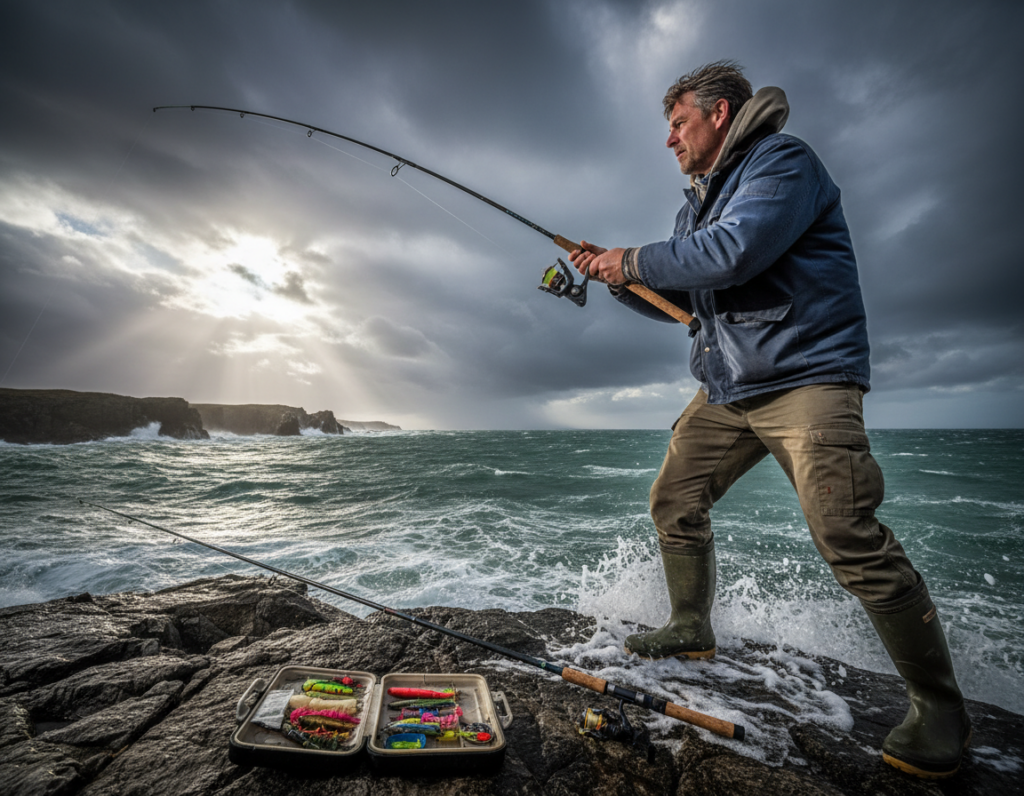
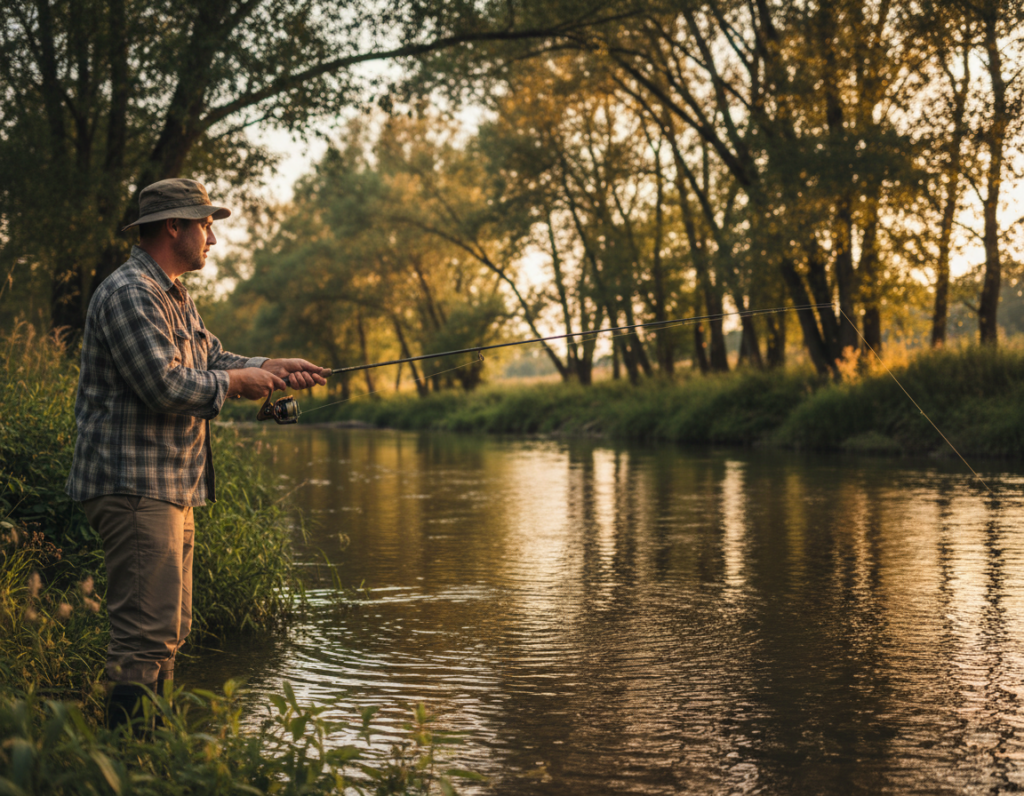
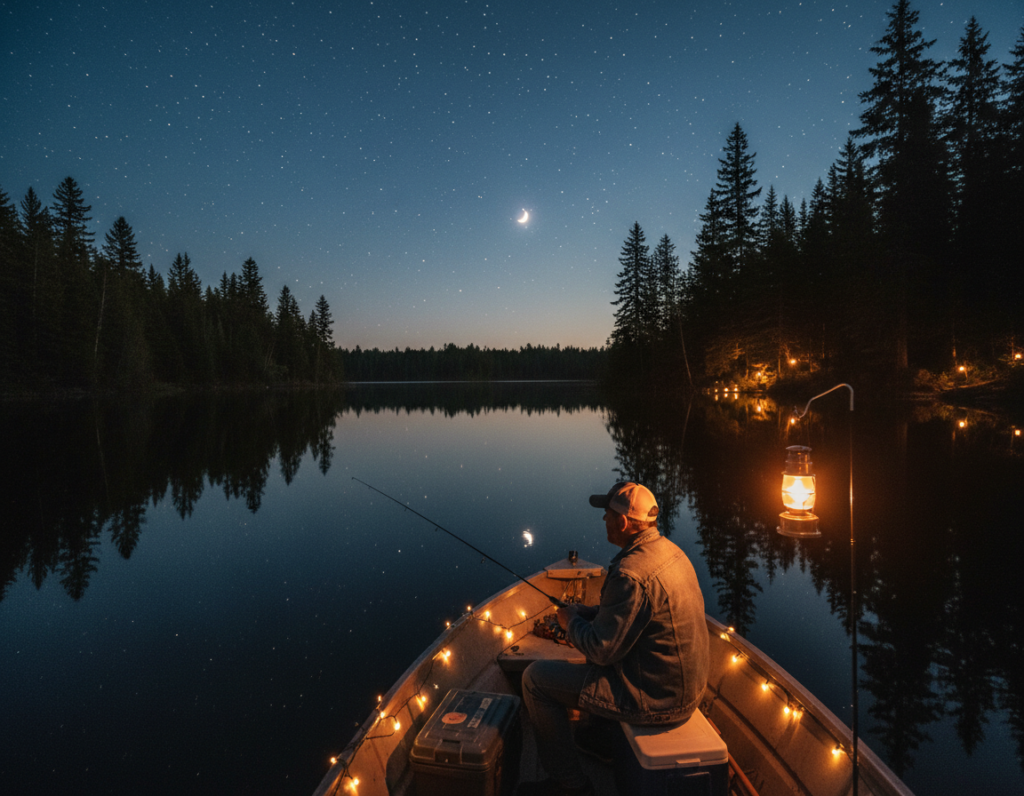
This guide shows anglers how repeatable behavior, not luck, drives better days on the water.
Fish move through a calendar of change because temperature, oxygen, spawn cycles, and food shift on each lake. Learn to read those cues and you stop guessing.
We start with the science, then cover habitat factors, a season-by-season playbook, and species quick hits.
Expect clear transitions: deep and stable in winter, shallow feeding and spawning in spring, cool zones and thermocline work in summer, then aggressive fall feeding before fish slide back deep.
We also separate finding fish from triggering bites. That helps you match location and timing with the right presentation.
Practical focus: track temp, wind, light, current, oxygen hints, and bait. Turn observations into repeatable approaches across a full year.
Why fish behavior changes throughout the year
As water heats and cools each year, fish respond by changing activity, location, and feeding priorities.
Cold-blooded metabolism is simple: fish speed up when the water warms and slow down when it cools. Warmer water raises their metabolic rate and increases food needs. Cooler water reduces activity and shortens feeding windows.
Oxygen moves and matters
Dissolved oxygen shifts with temperature, flow, and organic decay. Low oxygen forces fish to relocate or become inactive. Oxygen-rich zones concentrate life, making them reliable holding areas when conditions change.
Food cycles and predator timing
Insects, zooplankton, and young baitfish peak in warm months, which pulls predators into feeding mode. In cold times, prey is scarce and bites are fewer and more deliberate. Pre-spawn feeding surges occur as adults build reserves before reproduction.
Spawn cues and photoperiod
Spawning is driven by water temperature, day length, and flow. Photoperiod acts like a calendar signal, nudging fish toward shallow habitats even before the lake fully warms. During spawn, bites can be defensive or territorial rather than true feeding.
- Diagnostic mindset: watch for cold fronts, warming trends, or vegetation die-off—fish behavior changes before location does.
- Track water temperature, oxygen, food, and spawn cues—these are the four levers behind yearly shifts.
| Driver | Primary effect | Angler cue | What to do |
|---|---|---|---|
| Temperature | Metabolism rise/fall | Thermometer readings, surface warmth | Match presentation speed to activity |
| Oxygen | Concentration or dispersal of fish | Flow, wind, algae bloom, ice cover | Target oxygen-rich zones or move to refuge areas |
| Food availability | Feeding intensity and timing | Baitfish schools, insect hatches, weed growth | Fish where prey concentrates; adjust bait size |
| Spawn & photoperiod | Shallow movements and altered bites | Water temp thresholds, increasing day length | Expect pre-spawn feeding, then territorial behavior |
Next: the guide will dive into how to track water temperature, thermoclines, and day-to-day signs so you can apply these levers on your lake. For more on movement and behavior timing, see fish movement and behavior.
Water temperature basics every angler should track
A few degrees matter. Fish use temperature bands to choose where they feed and rest. Track surface readings and temps at depth to know where to fish each day.
Warm water vs. cold water: feeding and energy
In warm water, fish move more and feed with higher intensity. In cold conditions they conserve energy and take shorter, focused feeding windows.
Clarity, depth, and how lakes warm
Clear lakes often warm slower at the surface and hold fish deeper longer in spring. Shallow flats heat fast and attract quick bites after a warm spell.
When fish move deeper and thermocline basics
Heat, bright sun, or low oxygen push fish to move deeper. In stratified water during summer many species sit just above the thermocline where oxygen and comfort peak.
“Electronics often show a clear band of activity above the thermocline — fish avoid the ‘no man’s land’ below it.”
- Measure surface and depth temps at the ramp, then where you plan to fish.
- Fish the depth band that matches comfort + oxygen + prey.
- Use contours and electronics to follow fish when they move deeper.
Oxygen, current, wind, and light: the habitat factors behind bites
Habitat features like weeds, flow, wind, and sunlight decide whether a spot will actually hold fish. Good water alone is not enough; look for oxygen sources, cover, and steady food delivery.
Why vegetation draws and holds life
Healthy green weeds produce oxygen and shelter small prey. That makes them magnets for predators year-round.
Weeds offer shade, ambush edges, and concentrated bait. When weeds die back, the pattern can flip fast.
Current seams, inflows, and river habitats
Moving water oxygenates and brings drifting food. Fish like seams, eddies, and pools where food arrives with less effort.
Tributary inflows often create predictable holding areas in both lakes and river waters.
Windblown shores and mixing
Wind mixes layers and stacks plankton and bait on windward points. That can make shorelines very productive for walleyes and other species.
Strong wind can also muddy water and push bass or panfish to protected sides or deeper areas.
Sunlight and low-light windows
Low-light periods—dawn, dusk, cloudy stretches, and early/late ice—expand shallow feeding times. Bright sun tightens fish to shade, rock, and thick cover.
- Spot checklist: identify oxygen sources (wind, current, green weeds), then pick structure (weed edge, rock, point, dock) that fits the season and species and the current conditions.
Seasonal fishing patterns in spring: warming water, feeding, and the spawn
Spring unfolds as a clear, stepwise migration for most freshwater species.
Early moves from winter basins into the shallows
Fish start the march from deep winter holes to first breaks and ditches. Then they stage in protected pockets before moving to shallow spawning sites.
Stable warming days matter more than a single warm spell. Look for north-facing bays, flats, and sheltered points where water warms first.
Pre-spawn feeding: the calorie build
Before spawn, many species focus on feeding to build reserves. They hold on edges, rocks, and emerging weed lines where small bait concentrates.
These bites often get sharper as prey becomes available—match bait size to the local food and speed up presentations.
Spawn behavior and bite changes
When fish move onto beds they may stop feeding normally. Some will still strike to defend eggs, so bites can be territorial rather than true feeding strikes.
Spawn locations are shallow and specific—sandy or gravel bottoms and protected weedbeds are common choices for different species.
Post-spawn recovery and next moves
After spawning, fish slide to the nearest deeper water, cover, or current to rest. They slowly resume feeding as conditions stabilize and weeds regrow.
Plan for multiple species: bass often pick beds on flatter, warmer flats, walleye favor gravel breaks, panfish use sheltered shallows, and pike patrol vegetated edges.
| Stage | Where to look | What to expect | Angler tip |
|---|---|---|---|
| Early spring | First breaks, protected bays | Slow movements, concentrated bait | Target warmest shallow pockets; watch bait |
| Pre-spawn | Edges, transitions, rocks | Increased feeding, sharper bites | Use larger baits near cover; speed matches activity |
| Spawn | Shallow beds, gravel, vegetation | Defensive strikes, precise locations | Fish respectfully; adjust to territorial bites |
| Post-spawn | Nearby deeper water, cover, current seams | Resting, then resumed feeding | Fish recovery zones; fish slower, then ramp up |
Summer patterns: finding cool, oxygen-rich water when the heat peaks
When heat builds, fish stop chasing surface warmth and instead hunt for cool water, oxygen, and food. That balance drives location choice and bite windows during peak summer.
Summer real estate centers on vegetation, docks, wood, and rocks that provide shade, ambush points, and nearby forage. The thickest cover often holds the biggest bass and other gamefish because it concentrates bait and hides predators.
Using the thermocline
On stratified lakes, electronics show a clear temperature break. Fish usually sit just above the thermocline where oxygen and comfort meet.
Fish the productive band above it and avoid the low‑oxygen “no man’s land” below.
Timing the day
Early mornings, evenings, and nights outproduce mid‑day for many species. Cooler low-light times let fish roam from cover to feed.
Later summer shifts
Prolonged heat can slow metabolism again and push fish deeper and tighter to structure. Slow, precise baits work best then.
- Lakes: prioritize thermocline, structure, and weedlines.
- Rivers: fish current seams and oxygenated flow.
Bass favor shade and cover; walleyes use windblown breaks or offshore structure; panfish ride edges and brushpiles. Match location and presentation to water temperature and oxygen for the best results.
Fall transitions: aggressive feeding, grouping up, and moving toward deeper stability
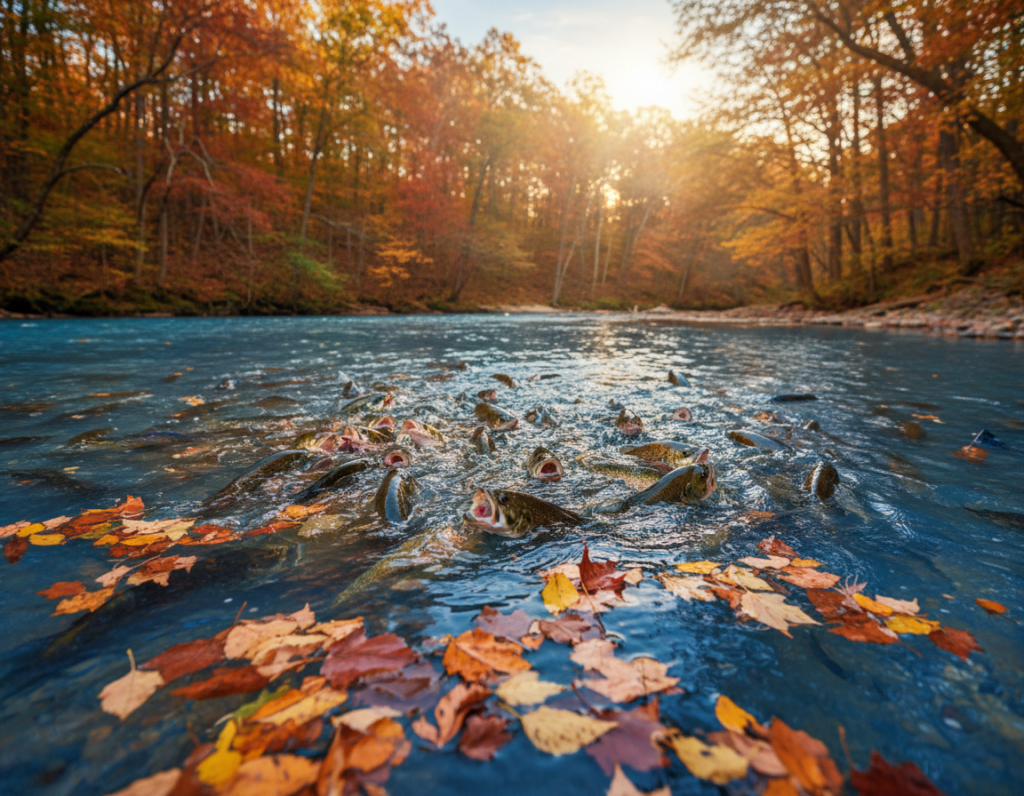
When water cools in the fall, predators rush to fatten up and begin tighter, more predictable moves. This season pushes many species into a food-first mindset as they build reserves for winter.
Why fish school and feed hard before winter
Baitfish concentrate as temperatures drop, and predators exploit that by schooling. Grouping makes feeding more efficient and creates repeatable marks on electronics.
Low-light and nighttime shallow bites
Shallow water holds residual warmth after dark, so evenings and nights can produce intense feeding near bait-rich shorelines.
Oxygen drops from dying vegetation
When weeds decay, bacteria consume oxygen and formerly productive beds go dormant. Fish move to green weeds, hard structure, inflows, or wind-mixed shores with better oxygen.
- Where to go next: points, breaks, inflows, and remaining green vegetation.
- Track daily water temperature, wind, and bait movement rather than forcing summer locations.
- Match lure size and profile to local bait to trigger the decisive late-season bite.
Winter patterns: deep water, stable conditions, and opportunistic feeding
Winter forces most gamefish into steady, deep pockets where movement is costly and energy is saved.
Deep, stable zones and energy conservation
As water cools, fish move to deeper water where temperatures hold steady. When metabolism slows, they avoid long chases and sit near easy prey.
Short feeding windows
Feeding often compresses into low-light times. Dawn and dusk can outproduce midday because fish follow routine moves when light is low.
Stay close to structure
Basins, breaklines, points, reefs, and ledges let fish hold near forage without wasting energy. Precise, slow presentations work better than covering water fast.
Ice, snow, and oxygen
Ice and snow reduce light and can cut oxygen in northern lakes. Fish relocate toward current, deeper basins, or remaining green growth when oxygen drops.
| Core rule | Where to look | Angler action |
|---|---|---|
| Stability over perfect spots | Deep basins, mid-depth reefs | Find steady temperatures + structure |
| Energy conservation | Edge of cover, near forage | Use small, slow baits; pause presentations |
| Oxygen concerns | Inflows, wind-mixed shores | Target oxygen-rich zones or move |
Winter decision framework: pick stable depth, confirm acceptable oxygen, fish slowly, and plan trips around brief bite times.
Species playbook: where popular gamefish go by season in U.S. waters
A quick seasonal map of likely holds helps you spend more time catching and less time searching.
Bass behavior through the year
Bass move shallow in spring to feed and spawn. Largemouth bass favor vegetation, docks, and wood while smallmouth use rock and open structure.
In summer they split between shade cover and deeper, cooler water. In fall they roam where bait concentrates, then in winter they hug structure and feed opportunistically. Watch for a defensive bass bite during spawn versus a feeding-driven strike in pre-fall months.
Walleye
Walleye head to shallows and rocky flats in spring, then hold flats to the first major breakline. Summer brings offshore structure, though “weed walleyes” exist.
In fall follow baitfish runs to shallow flats. Winter bites peak at dawn, dusk, and night on reefs, breaks, and offshore spots.
Panfish
Panfish go shallow after ice-out, then use weed edges and brushpiles in summer. In fall they shift toward transition edges, and in winter they set up over deeper basins and roam by oxygen and food.
Some panfish remain tight to green weeds when those areas hold life.
Pike and muskie
Pike spawn in shallow, dark bays soon after ice-out, with muskie favoring harder bottoms and flooded vegetation. Summer moves favor deeper ambush structure.
In fall both species prowl where bait aggregates. Winter brings stability; pike can still produce around occasional green weeds.
| Species | Spring | Summer | Fall / Winter |
|---|---|---|---|
| Bass | Shallow spawn flats, edges | Shade, weeds, deeper cool water | Roam for bait; winter near structure |
| Walleye | Rocky flats, first breaklines | Offshore structure (and weeds) | Baitfish runs; reefs & dawn/dusk winter bites |
| Panfish | Shallow bays, ice-out edges | Weed edges, brushpiles | Transition edges; winter basins, roam |
| Pike / Muskie | Shallow spawn bays, flooded cover | Deep ambush structure | Fall prowl; winter stable holds, green-weed bites |
Cross-species cues: follow the food, prioritize oxygen when water is hot or ice-covered, and use structure edges to intercept fish that want easy meals.
Conclusion
Consistent success on lakes and rivers starts with tracking simple environmental cues.
Core takeaway: watch water temperature, oxygen, food, and spawn signs, then match those cues to structure and light to find better bites.
Use a repeatable process: identify the seasonal phase, locate the comfort-depth band, confirm oxygen and prey, pick holding areas, and fish the best times.
Treat patterns as flexible. When wind, cooling trends, dying weeds, or ice change conditions, move to the spots that fit the new reality.
Log temps, wind, clarity, and bait presence to build your own playbook. Tools like onX Fish Midwest Area Insights and Fishing Hotspots plus sunrise/sunset and barometer data speed planning.
Fish intentionally during transitions—pre-spawn, summer comfort windows, fall feed, and winter bite times often produce the biggest fish of the year.