
Anúncios
Have you ever wondered which coastal and inland rules will most affect your next trip? That question matters now more than ever. On January 13, 2026, the California Department of Fish and Wildlife updated ocean sport fishing regulations to reflect current conservation needs.
Before you head out, confirm you have a valid fishing license and a clear grasp of how freshwater and saltwater waters differ under state law. The department sets distinct limits, seasons, and gear rules that affect what you can keep and when.
Take a moment to review the annual reference and local details — it can save time and protect fish populations. For a practical checklist and official details, consult this concise resource: annual rule summary.
Understanding the Importance of a Fishing Regulations Guide for Anglers
Staying current with legal limits and species protections keeps fish populations and recreation healthy.
The reference acts as the primary source of information on legal harvest methods and protected species. It helps you spot differences between common game fish and those that must be released.
Anúncios
Using the guide protects popular bass such as largemouth bass, smallmouth bass, and spotted bass from over-harvest. It also explains how to identify species so you do not keep a protected or endangered fish.
- Clear ID tips reduce accidental takes.
- Season and size limits support long-term population health.
- Regular updates reflect conservation needs and local changes.
Following these rules is a basic responsibility of any ethical participant. It keeps waters productive and ensures game fish remain available for future trips.
Navigating Freshwater Licensing and Legal Requirements
Before you cast a line at a stream or lake, confirm your license status and which rules apply to that water.
Anúncios
All inland waters require proper permits unless an exemption applies. That means a valid fishing license must be carried at all times while on the water. Officers may request it while you are in a boat or on shore.
License Exemptions
Some people qualify for temporary or permanent exemptions. Seniors, young children, and residents with specific permits may not need a standard license.
- Check state lists to see if you meet exemption criteria.
- Special one-day or combination licenses cover short trips on lakes and rivers.
- Even exempt individuals must follow size and season rules for protected species.
Inland Water Rules
Use only authorized gear when fishing inland. Most waters limit take to a single rod and line; nets and noxious agents are unlawful.
When targeting trout in designated waters, adhere to season dates and size limits. These differ from general freshwater limits and protect game fish populations.
Coastal and Marine Fishing Regulation Updates
Boat operators and shore users should confirm gear and bag limits before each trip. Effective January 13, 2026, the California Department of Fish and Wildlife changed rules that affect hoop net use north of Pt. Arguello in Santa Barbara County.
The update focuses on gear restrictions for saltwater crustaceans and clarifies size and bag limits in nearby waters. These changes help protect vulnerable species while allowing responsible sport fishing.
Marine Region Updates
The Marine Region of the department fish wildlife posts detailed information on seasonal limits and legal gear. Consult their pages to confirm possession limits for species such as striped bass in coastal rivers and marine waters.
- Ensure nets and lines meet the latest size and use rules before you put out a boat.
- Follow updated bag limits and report tagged fish sightings to the California Department of Fish and Wildlife.
- Review official regulation updates when planning a day on saltwater or adjacent rivers.
Staying informed reduces fines and supports marine research. Check your license status and the Marine Region’s information regularly to stay compliant and protect coastal fish populations.
Essential Gear Restrictions and Prohibited Methods
Using the wrong equipment can damage habitats and put your license at risk — learn what is prohibited.
SCUBA or breathing apparatus is not allowed to take or attempt to take fish in inland waters. This method is expressly banned by state law and can lead to hefty penalties and loss of privileges.
Do not leave trotlines, juglines, or set poles unattended in public waters. Remove these devices when they are not in active use to avoid accidental harm to wildlife and other users of the water.
- Never apply substances such as lime, explosives, or poisons to kill fish or destroy spawn; these acts are serious violations.
- Keep your boat stocked with required safety gear, but do not employ prohibited methods that damage habitat or protected species.
- Do not remove the head or tail of a game fish if that action obscures the species or prevents accurate measurement of total length.
Follow posted rules and check your license status before each trip. Small choices about line, gear, and conduct protect fish, species diversity, and public access over time.
Managing Daily Creel and Size Limits
A quick size check each time you land a fish can prevent costly mistakes on the water.
It is unlawful to possess more than the daily creel limit of any fish while you are afield or on the water. Keep counts visible and avoid mixing species in a livewell that push you over the day limit.
Do not alter a game fish in any way that prevents an accurate measurement. For example, do not remove the head or tail of a largemouth bass if that obscures total length.
Carry a measuring device in freshwater and saltwater. Always measure each catch against the minimum size for that species before you decide to keep it.
- Live possession counts toward total creel limits, even in a livewell.
- If you use a boat, make sure fish held in the livewell are within legal limits and clearly identifiable.
- Keep your license on hand and record counts during the day to avoid violations.
“Measure every catch; simple checks protect stocks and your privileges.”
Best Practices for Catch and Release Fishing
How you treat a fish in the moments after capture determines its chance to survive. Gentle, fast care reduces stress and helps species rebound across lakes and coastal waters.
Handling Techniques
Always wet your hands before touching a fish to protect its slime coat. Use a soft rubber net when you land a fish so you can keep it partially in the water while you remove the hook.
If a hook is deeply embedded, cut the line close to the eye instead of forcing removal. This limits injury and lets the fish heal more easily.
Reviving Fish
To revive a stunned fish, hold it upright in the water and move it gently forward. Keep the fish facing into flowing water until it can swim away on its own.
Summer Temperature Precautions
Avoid high temperatures: catching trout in water at or above 70 degrees is often lethal. Plan summer trips in the early morning when water and air are coolest.
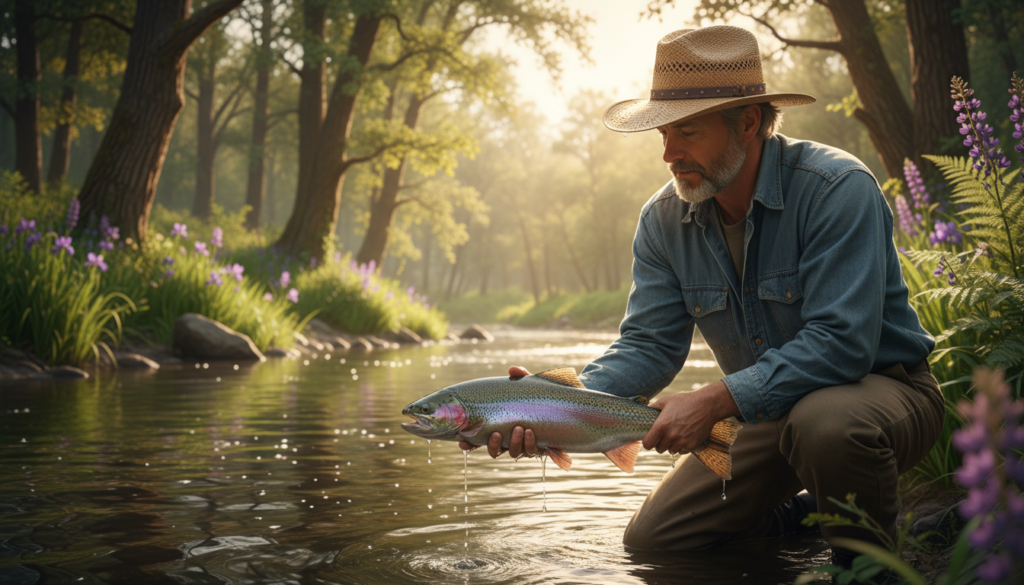
“Simple, respectful handling preserves populations and makes every trip more sustainable.”
Preventing the Spread of Invasive Aquatic Species
Stopping accidental introductions of invasive species starts with simple daily habits at the boat ramp.
Unauthorized release of nonnative fish species, such as Northern snakeheads or Alabama bass, can cause irreversible harm to native waters.
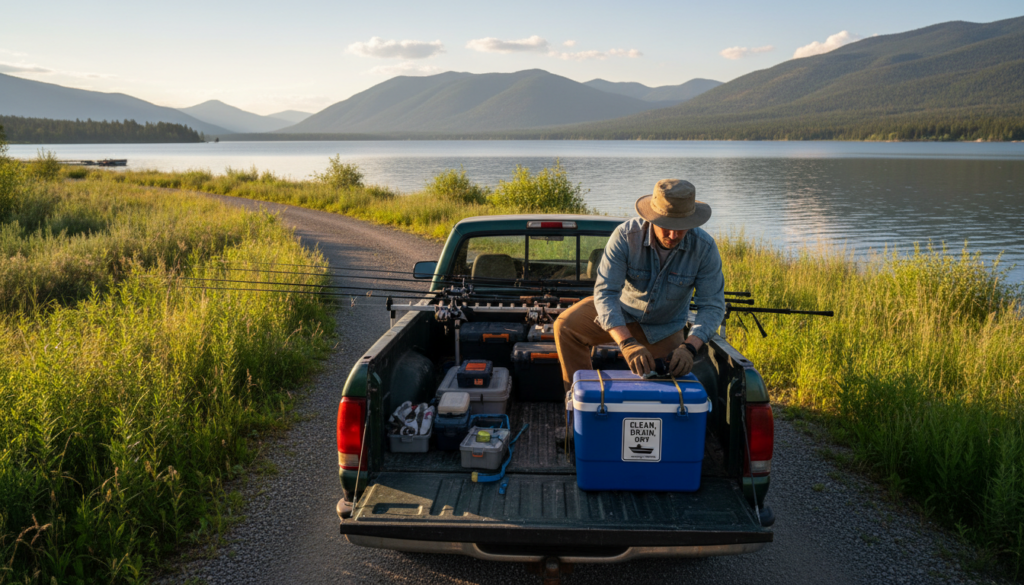
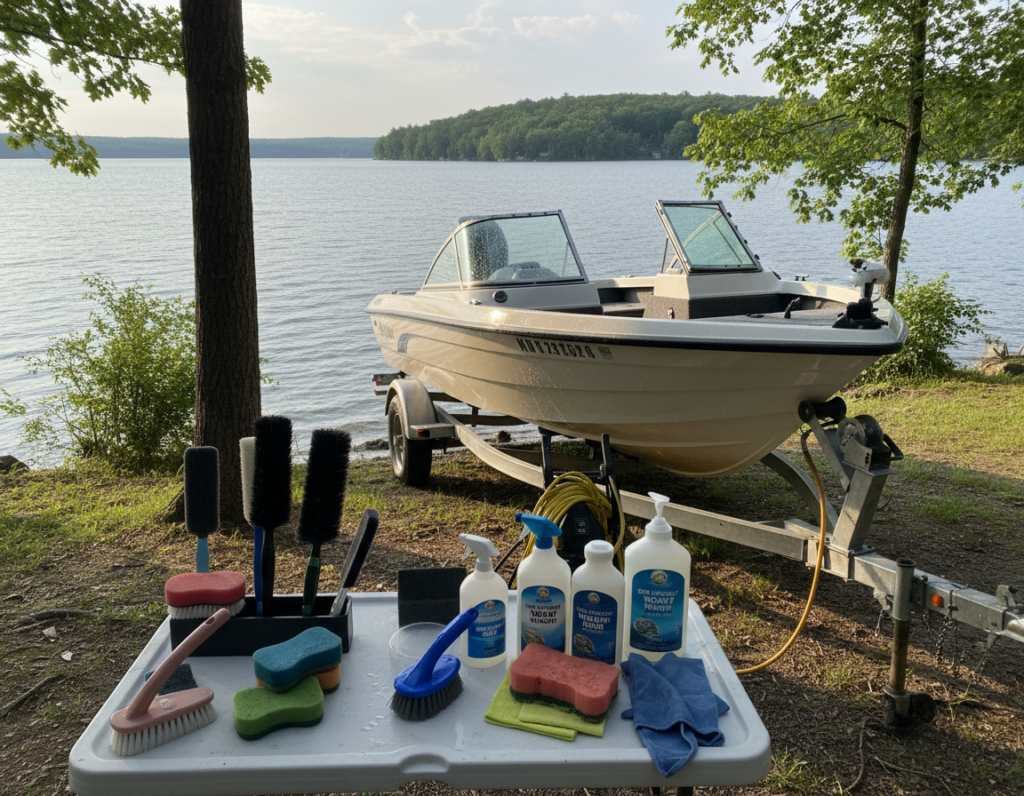
Make sure to clean, drain, and dry your boat and trailer every time you leave a waterbody. This step reduces the risk of moving plants like Hydrilla or small invertebrates between lakes and rivers.
Invasive animals such as the rusty crayfish destroy vegetation that native game fish and bass depend on for nursery habitat. Do not release unused live bait; either destroy it or keep it contained away from water.
- Check live wells and bait buckets at the dock.
- Remove mud and plants from trailers and line gear before transport.
- If you spot a new population or suspicious activity, report it at 1-800-237-5712 immediately.
“Early action prevents lasting damage to fish species and the waters we all use.”
Special Rules for Department Owned Waters and Dams
Department-managed waters carry unique rules that protect spawning habitat and public safety near dams. These rules often differ from general state limits and may change by season. Always check posted signs and the Department of Fish and Wildlife website before you go.
Dam and Fishway Restrictions
Closures near fishways: It is unlawful to fish or collect bait within 300 feet of the Boshers Dam Fishway on the James River from March 1 to June 15. This closure protects migrating species during critical spawn and migration periods.
Gear limits below dams: Within 500 yards below Walkers Dam, only rod and reel use is permitted. Other methods and unattended gear are prohibited to reduce harm to fish and to keep the area safe for public use.
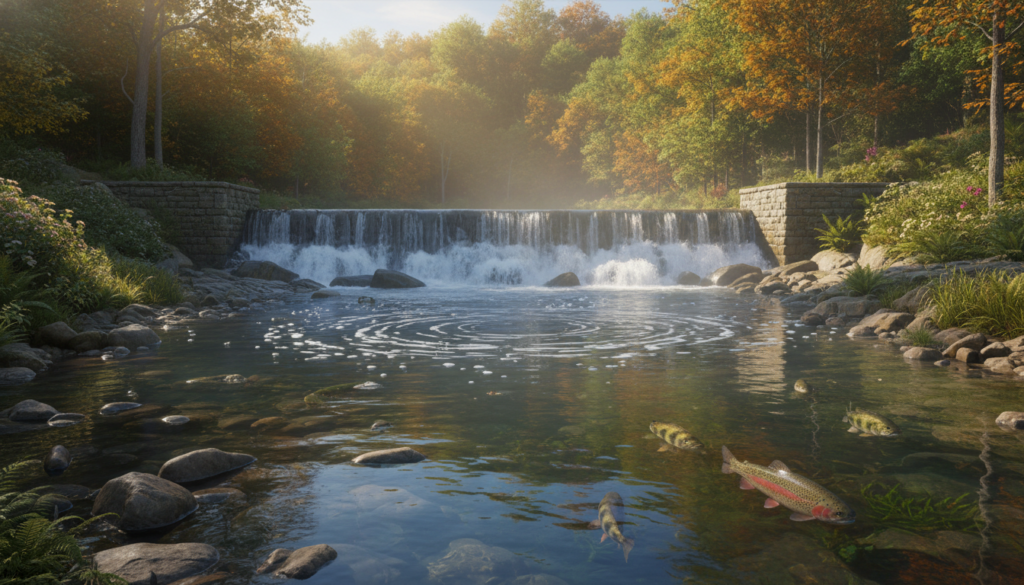
Motor and hours guidance: At Department-owned lakes and ponds, gasoline motors are generally prohibited unless turned off at all times. Most properties allow access 24 hours a day, but posted signs can impose short closures or special hours.
- Follow posted limits on boats and motor use at lakes to protect shoreline and game species.
- Keep a valid fishing license and carry it while on Department property.
- If you see noncompliance, report it to the Department of Fish and Wildlife to help preserve these public waters.
“Respecting special rules near dams ensures safe passage for fish and long-term use of public lakes and rivers.”
Ethical Considerations for Trophy Fish and Tournaments
Trophy events carry extra responsibility; every decision affects the long-term health of local bass and other species.
Tournament organizers should require non-penetrating culling tags and confirm livewells have proper aeration. Healthy holding conditions reduce mortality and protect the event’s reputation.
When commemorating a trophy fish, choose fiberglass mounts or full photographic records with length and location notes. These options honor the catch without ending a prized specimen’s life.
Minimize air exposure during weighing and measuring. Quick, calm handling increases survival rates for largemouth bass, smallmouth bass, spotted bass, and other game fish.
- Obtain a boat ramp special use permit when using Department-owned waters and ensure releases occur at the capture site.
- Prioritize population health so species like striped bass and other bass remain abundant.
- Document and report any sick or damaged fish to local authorities to help conservation efforts.
“Treat each catch as part of a larger population; responsible sport fishing keeps fisheries strong.”
Conclusion
Simple preparation—valid license, current limits, and safe handling—keeps waters healthy and trips trouble-free.
Before you go, verify your fishing license and local limits with the California Department of Fish and Wildlife. Check the department fish wildlife website if you travel to new freshwater or saltwater lakes.
Practice catch and release during hot summer days to protect trout and other game fish. Keep handling fast, wet your hands, and revive fish before release.
Clean, drain, and dry boats and gear to stop invasive species. If you see unlawful activity, report it promptly to support habitat protection and healthy species.
Stay informed, keep your license current, and act responsibly to protect our waters and the fish we all value.

 English
  Spanish